
Corrosion Failure Analysis of Electrolyzer Feed Line Flanges
Abstract: This study investigates the operating conditions and dominant corrosion mechanisms of flanges in electrolyzer feed lines, identifies the key factors contributing to corrosion failure, and proposes measures to mitigate corrosion. The findings provide a theoretical basis for chlor-alkali plants to address flange corrosion and select effective, practical corrosion prevention strategies. Lon-exchange membrane electrolyzers are essential equipment in chlor-alkali production, and their operating condition directly affects production efficiency and product quality. The flanges in electrolyzer feed lines (hereinafter referred to as “flanges”) are critical components of the process piping system, supplying purified brine that meets the specified requirements to the anode and dilute caustic solution to the cathode.
Corrosion-related failures are common because of the corrosive nature of the process media, harsh operating conditions, including high temperatures, high pressures, exposure to toxic substances, and pressure fluctuations, and the structural characteristics of flanged connections, which can promote crevice formation at sealing surfaces and bolted joints. Such failures can cause process media leakage, leading to safety incidents and environmental pollution. They can also result in equipment downtime, additional maintenance, and production interruptions, causing substantial economic losses.
A thorough understanding of flange corrosion mechanisms and failure modes is essential for the chlor-alkali industry to improve operational reliability and extend equipment service life. This paper reviews the main corrosion mechanisms affecting flanges in electrolyzer feed lines to provide a theoretical basis for chlor-alkali plants to:
- Identify and address flange corrosion problems.
- Select effective and practical corrosion prevention strategies.
The chlor-alkali industry is a fundamental sector of the chemical industry, producing three major chemical products through the electrolysis of purified, saturated brine:
- Caustic soda (NaOH)
- Chlorine gas (Cl₂)
- Hydrogen gas (H₂)
The electrolyzer is the core piece of equipment in this process, using direct current (DC) to drive the electrochemical decomposition of brine. The most widely used technology is the ion-exchange membrane electrolyzer, which consists of an anode compartment, a cathode compartment, and an ion-exchange membrane. The membrane selectively allows sodium ions (Na⁺) and water to pass from the anode side to the cathode side while restricting the passage of other ions. The process is governed by the electrochemical reactions occurring at the anode and cathode, as illustrated in Figures 1 and 2.
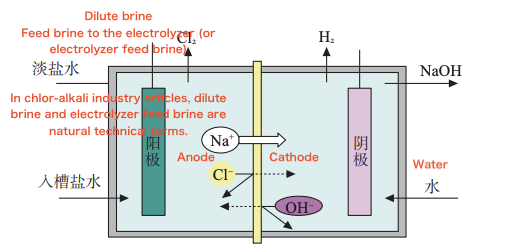
Figure 1. Schematic of Ion-Exchange Membrane Electrolysis
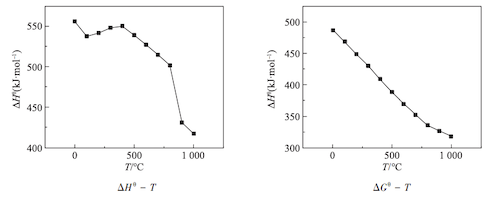
Figure 2. Main Electrochemical Reactions in Membrane Electrolysis
2Cl⁻— 2e⁻ → Cl₂ (1)
Anodic Reaction in an Ion-Exchange Membrane Electrolyzer: Crude brine from primary brine treatment undergoes secondary purification before entering the anode compartment as feed brine, with a combined Ca²⁺ and Mg²⁺ concentration of no more than 0.020 mg/L. At the anode, Cl⁻ is oxidized to Cl₂, while some Na⁺ ions migrate through the ion-exchange membrane to the cathode compartment, carrying water with them, as shown below:
In the anode compartment, chloride oxidation is the primary reaction, although water oxidation to oxygen (O₂) may also occur. To maximize chlorine selectivity, electrolysis conditions are optimized, and specialized anode materials may be used to suppress oxygen evolution. Recent studies have shown that the local anodic reaction environment can significantly affect electrode performance. For example, in CO₂ electrolyzers, local acidification near the anode can influence the oxygen evolution reaction (OER) on nickel-based electrodes.
Cathodic reaction principle of the ion-exchange membrane electrolyzer: At the cathode, water is reduced to hydrogen (H₂) and hydroxide ions (OH⁻). The hydroxide ions combine with Na⁺ ions transported through the ion-exchange membrane to form sodium hydroxide (NaOH), as follows:

The overall electrolysis reaction is:

Based on these reactions, the overall electrolysis process is illustrated in Figure 2.
Figure 2 shows that the overall reaction is endothermic, with the heat requirement decreasing as the temperature rises. Over the range of 0–1,000°C, the reaction is thermodynamically nonspontaneous and requires external energy input. The electrolyzer feed lines supply refined brine to the anode and either diluted caustic solution (28%–32% NaOH) or pure water to the cathode. Flanges connect the feed lines to the electrolyzer's feed distributors and are critical to system integrity. During production, equipment and process systems are exposed to harsh operating conditions that increase the risk of corrosion, which can disrupt production, cause unplanned shutdowns, and lead to serious safety incidents.
The chlor-alkali production process exposes plant equipment to multiple corrosive media, including chlorine gas, caustic soda, hydrochloric acid, and brine. Flanges connect the electrolyzers to their feed pipelines and must maintain reliable seals to ensure stable operation under highly corrosive conditions. Xinjiang Shengxiong Chlor-Alkali Co., Ltd. (hereinafter referred to as Shengxiong Chlor-Alkali), a subsidiary of Zhongtai Group, replaced the anode feed pipelines in its 400,000 t/a ion-exchange membrane caustic soda electrolyzers using Uhde technology with titanium pipelines and changed the cathode feed pipeline material from polypropylene homopolymer (PPH) to nickel. The flanges on these electrolyzer feed pipelines operate under the following conditions:
(1) The flange sealing surfaces, bolts, and gaskets are directly exposed to the air in the electrolysis workshop. To prevent blockages caused by dry Cl₂ crystallization and ensure safe production, the workshop's relative humidity is typically maintained at 60%–80%, creating a high-humidity environment. Although dry Cl₂ is only weakly corrosive to metals at ambient temperature, leaked Cl₂ can react with moisture in the air to form hypochlorous acid and hydrochloric acid. These highly corrosive and oxidizing substances can cause sustained corrosion of flange outer surfaces, bolts, nuts, and other components.
(2) The flanges are in direct contact with highly corrosive media. The saturated brine transported through the electrolyzer's anode feed pipeline contains 300–320 g/L NaCl. Chloride ions (Cl⁻), owing to their small ionic radius and high penetration ability, can locally break down the passive film on flange surfaces, leading to pitting corrosion. Brine can also accumulate in the crevices between flange sealing surfaces and gaskets, accelerating crevice corrosion and compromising sealing integrity.
(3) The flow of primary media through the feed lines, including refined brine (NaCl solution), pure water, and hydrochloric acid (HCl solution), can cause erosion and abrasion of the flange sealing surfaces and gasket edges, damaging the passive film and increasing the risk of corrosion and leakage.
(4) The process involves significant temperature fluctuations. The brine temperature ranges from 50–60°C during startup and filling, rises to 73–80°C after power is applied, and drops to 45–55°C during drainage. These temperature changes accelerate corrosion, induce thermal stresses, and increase the risk of seal failure. According to chemical kinetics, the electrochemical corrosion rate can double or triple for every 10°C increase in temperature. Higher temperatures also increase chloride ion activity, promoting passive film breakdown. In addition, differences in the coefficients of thermal expansion among flange, bolt, and gasket materials can affect joint integrity. For example, stainless steel flanges have a thermal expansion coefficient of approximately 17 × 10⁻⁶/°C, compared with 13 × 10⁻⁶/°C for carbon steel bolts. Repeated temperature fluctuations can reduce bolt preload and widen gaps between sealing surfaces, resulting in media leakage and aggravating localized corrosion.
(5) Frequent pressure fluctuations. The feed line pressure is influenced by the upstream feed pump, the electrolyzer liquid level, and pump or tank switching operations, typically fluctuating between 0.03 and 0.08 MPa. These fluctuations cause variations in the scouring force exerted by the flowing medium on the flange sealing surfaces and gaskets, potentially scratching the sealing surfaces and damaging gasket edges, thereby compromising sealing integrity. Sharp pressure drops may also draw trapped media out of the gaps between sealing surfaces, allowing corrosive species such as Cl⁻ and Cl₂ to enter the threaded clearances between bolts and flanges. This can promote crevice corrosion, damage sealing components, and accelerate flange deterioration, ultimately leading to flange failure. The operating conditions of the feed line flanges in the Shengxiong Chlor-Alkali electrolyzers are summarized in Table 1.
Table 1 Operating Conditions of the Feed Line Flanges in Chlor-Alkali Electrolyzers
No. | Operating Condition | Specific Characteristics | Primary Affected Areas |
1 | Atmospheric corrosion in the workshop | Trace amounts of Cl₂ in the workshop atmosphere react with moisture to form HCl and HClO, creating a highly corrosive environment. | Flange outer surfaces, bolts, and nuts |
2 | Corrosion by the conveyed medium | The primary medium is high-concentration saturated brine, which may contain trace amounts of strong oxidants such as Cl₂. | Flange body, including sealing surfaces, bolts, and gaskets |
3 | Erosion and wear caused by the conveyed medium | Brine flow velocities of 1.0–2.0 m/s can cause localized turbulence. Residual solid particles from pretreatment can further accelerate wear on flange sealing surfaces, gasket edges, and inner surfaces. | Flange sealing surfaces, gasket edges, and inner surfaces |
4 | Temperature fluctuations during startup and shutdown | Rapid temperature increases from ambient conditions to 70–85°C, followed by sharp decreases, cause repeated thermal expansion and contraction. | Flange body, bolts, and gaskets |
5 | Operating pressure fluctuations | Unstable feed conditions caused by pump cavitation, variable-frequency drive (VFD) failures, electrolyzer startup and shutdown, or pump and tank switching can trigger sudden pressure surges or drops. | Flange sealing surfaces, bolts, and gaskets |
Flange corrosion is primarily electrochemical, involving anodic metal dissolution and cathodic reduction reactions that occur simultaneously when a metal is exposed to an electrolyte, such as saturated brine. These reactions form a galvanic cell and generate an electric current. In the Shengxiong Chlor-Alkali electrolyzer system, the anode feed lines are primarily made of titanium, with CPVC flanges, while the cathode feed lines are primarily made of nickel, with PPH flanges. Electrochemical corrosion in this system mainly occurs through the following mechanisms.
(1) During electrolyzer operation, direct current drives the electrolysis of brine to produce chlorine, hydrogen, and caustic soda. Stray currents can cause localized anodic polarization of metal components, resulting in accelerated corrosion through anodic dissolution. Shengxiong Chlor-Alkali uses Wood-type electrolyzers with a design current density of 5.8 kA/m² per cell in the bipolar configuration. Stray currents account for approximately 0.1%–0.3% of the total current. Because brine and caustic soda solutions are electrically conductive, these currents can flow through the feed pipelines and establish potential differences between the pipelines and the electrolyzer cells. Metal components in anodically polarized regions lose electrons and undergo accelerated corrosion.
(2) The CPVC and PPH flanges used in the electrolyzer feed distributors are electrically insulating and do not directly participate in electrochemical reactions. However, at the connections between the feed pipelines and the electrolyzer cells, abrupt changes in geometry and differences in gasket insulation can cause stray currents to concentrate and discharge locally. As a result, the titanium and nickel pipeline interfaces and the bolts may become localized anodic regions, leading to accelerated oxidation and metal dissolution.
(3) When stray current leaves the titanium pipeline through the flange connection, anodic oxidation occurs, causing titanium atoms to lose electrons. The reactions include:
Ti - 4e⁻ → Ti⁴⁺ (4)
In the anode feed line, the saturated brine entering the electrolyzer contains 300–320 g/L NaCl and a high concentration of Cl⁻ ions. Ti⁴⁺ ions can react with Cl⁻ to form TiCl₄, which readily hydrolyzes to produce titanium oxychloride (TiOCl₂) or titanium dioxide (TiO₂). These products may accumulate on the CPVC flange sealing surfaces, compromising their flatness, while the HCl generated during hydrolysis can increase local acidity and accelerate CPVC degradation. In the cathode feed line, the high OH⁻ concentration promotes the formation of Fe(OH)₂ from Fe²⁺ ions, followed by oxidation to Fe(OH)₃. The resulting loose rust deposits can interfere with sealing contact around the PPH flange and bolts, potentially leading to localized corrosion or even perforation of the bolt holes.

(1) Galvanic corrosion, also known as contact corrosion, occurs when two dissimilar metals are in electrical contact within a corrosive medium. The potential difference between the metals forms a galvanic cell, accelerating the corrosion of the less noble metal. Flanges connect pipelines to equipment and may involve dissimilar material combinations, such as stainless steel bolts paired with carbon steel flanges or metal components made of different alloys. When these materials are electrically connected in an electrolyte, galvanic cells can form at the interfaces, causing preferential dissolution of the anodic metal. CPVC and PPH flanges are electrically insulating and therefore do not directly participate in galvanic coupling with titanium or nickel pipelines.
(2) In the anode feed system, the CPVC flange connects to a titanium pipeline, with saturated brine (300–320 g/L NaCl) as the primary medium. However, CPVC is electrically insulating and cannot form a galvanic couple with titanium. Instead, corrosion of the titanium may occur if stray currents or local electrochemical conditions promote anodic dissolution. Ti⁴⁺ can react with Cl⁻ to form TiCl₄, which hydrolyzes to produce titanium-containing precipitates and HCl. These products may accumulate near the flange interface, while local acidity can contribute to CPVC degradation and accelerate flange aging.
O₂ + 2H₂O + 4e⁻ → 4OH⁻ (7)
(3) In the cathode feed system, the PPH flange connects to a nickel alloy pipeline, and the primary medium is an alkaline NaOH solution. Because PPH is electrically insulating and has no electrode potential, it cannot form a galvanic couple with the nickel alloy. However, prolonged exposure to hot, concentrated NaOH may affect the PPH material, depending on the operating conditions and material grade, potentially reducing its mechanical strength and promoting embrittlement or cracking. Local electrochemical reactions or stray currents may also contribute to degradation if conductive components are exposed.
Crevice corrosion occurs in narrow gaps between materials, such as metal-to-metal or metal-to-nonmetal interfaces, where an electrolyte can enter but fluid exchange is restricted. As oxygen within the crevice is depleted by cathodic reactions, differences in local chemistry develop. Chloride ions migrate into the crevice, and the hydrolysis of dissolved metal ions can lower the local pH, destabilizing the passive film and accelerating localized corrosion. In the chlor-alkali electrolyzer feed system, potential sites for crevice corrosion include gaps between the CPVC or PPH flanges and the PTFE gaskets, where stagnant media and restricted mass transfer can promote material degradation.
The medium trapped in the anode-side crevice is saturated brine containing 300–320 g/L NaCl and a high concentration of Cl⁻ ions. The corrosion process can be divided into three stages.
(1) Initial stage: Slight corrosion occurs inside and outside the crevice. Restricted fluid exchange promotes Cl⁻ accumulation, while oxygen depletion inside the crevice creates an oxygen concentration cell, providing conditions for localized corrosion.
(2) Acceleration stage: Titanium ions released from the anode pipeline may migrate into the crevice and react with Cl⁻ to form TiCl₄. Hydrolysis of TiCl₄ generates HCl, increasing local acidity. Meanwhile, titanium-containing products, such as TiOCl₂ and TiO₂, may accumulate on the CPVC flange surface, forming deposits that restrict fluid exchange and hinder the outward diffusion of corrosive species. This further promotes localized chemical attack.
(3) Final stage: Persistent acidification may degrade the CPVC molecular structure, reducing toughness and causing embrittlement. Accumulated Cl⁻ can aggravate surface damage and promote microcracking. Deposits may also impair contact between the CPVC flange and PTFE gasket, causing uneven contact pressure and compromising sealing performance, ultimately increasing the risk of leakage.
Ti⁴⁺ + 4Cl⁻ → TiCl₄ (8)
The medium trapped in the cathode-side crevice is primarily an alkaline solution containing 28–32% NaOH. The corrosion process can be divided into three stages.
(1) Initial stage: Restricted fluid exchange within the crevice allows the local OH⁻ concentration to increase relative to the bulk solution, creating a highly alkaline environment.
(2) Acceleration stage: Oxygen reduction occurs on the nickel pipeline surface in the alkaline medium, generating OH⁻ ions. Their diffusion into the crevice further increases the local OH⁻ concentration, intensifying the alkaline attack.
(3) Final stage: Prolonged exposure to highly concentrated alkali may degrade the PPH material, reducing its toughness and promoting embrittlement. The resulting loss of elasticity can impair contact between the flange and PTFE gasket, compromising sealing performance and increasing the risk of leakage.
Chemical corrosion of the flange is not caused by galvanic effects in the electrolyte but by direct reactions between the flange materials, gaskets, and bolts and corrosive substances such as Cl₂, HClO, hypochlorites, chlorine water, and concentrated alkalis under fluctuating temperatures. These reactions can cause molecular chain scission, cross-linking, or structural changes in the flange materials, resulting in physicochemical degradation and reduced mechanical strength and sealing performance.
(1) CPVC (chlorinated polyvinyl chloride) flanges are primarily composed of electrically insulating polymers. Under highly concentrated brine conditions, Cl⁻ ions may contribute to the degradation of CPVC, although direct attack on C–Cl bonds is not the typical mechanism. Meanwhile, trace Cl₂ in the anode feed pipeline may oxidize the polymer chains, promoting chain degradation and surface damage. These processes can cause localized swelling and softening near flange crevices and the formation of micropits on the flange surface.
(2) Trace amounts of Cl₂ dissolve in the brine to form HCl and HClO. The HClO present in chlorine water acts synergistically with Cl₂, creating a strongly oxidizing and corrosive environment. Chlorates (e.g., NaClO₃) further strengthen the oxidizing conditions and increase the overall corrosivity of the medium.

(3) High Cl⁻ concentrations destabilize the oxide film on carbon steel bolts, exposing the underlying metal to corrosion and leading to the formation of FeCl₂. FeCl₂ is further oxidized by Cl₂ to form FeCl₃, which hydrolyzes to produce Fe(OH)₃ (rust) and HCl. Thread corrosion reduces bolt preload, while the formation of a reddish-brown rust layer on the bolt surface provides visible evidence of corrosion. The main reaction is as follows:

(4) Temperature fluctuations cause the CPVC material to expand and contract. Combined with nonuniform swelling or shrinkage resulting from molecular chain degradation, these thermal effects cause surface irregularities and deformation of the flange sealing face, compromising its flatness and potentially impairing sealing performance.
PPH (polypropylene homopolymer) flanges are made primarily of electrically insulating polymer materials. Under strongly alkaline conditions, prolonged exposure to high OH⁻ concentrations may promote the degradation of susceptible residual groups and catalyst-related sites in the polymer, although polypropylene itself is generally resistant to alkaline hydrolysis because its molecular backbone contains no ester bonds. Polymer degradation can compromise the integrity of the flange sealing surface, resulting in a chalky appearance, surface flaking, and reduced flexural strength.
In addition, heat tracing increases the local flange temperature, accelerating thermo-oxidative degradation. Oxygen reacts with the PPH molecular chains to form peroxide intermediates and radicals, promoting chain scission and further deterioration of the polymer. These effects can aggravate thermal creep and reduce gasket contact pressure, compromising sealing performance. If the bolts also suffer thread corrosion, retightening becomes more difficult. Hydrogen embrittlement may occur if the bolt material and operating conditions are susceptible to hydrogen uptake.
Significant progress has been made in the research and industrial application of corrosion protection technologies for electrolytic cell feed pipeline flanges. However, given the complexity of industrial operating environments and increasingly stringent production requirements, several areas require further investigation and improvement.
(1) Investigation of coupled corrosion mechanisms. Greater attention should be paid to the combined effects of multiple corrosion factors, particularly the interactions among stray currents, high Cl⁻ concentrations, and temperature fluctuations. The underlying mechanisms and their combined effects under actual industrial operating conditions remain insufficiently understood.
(2) Development of cost-effective corrosion protection solutions. Balancing corrosion resistance with economic feasibility remains a major challenge. High-performance corrosion-resistant materials, such as titanium, nickel, and titanium/aluminum (Ti/Al) laminates, can involve substantial material costs. More economical alternatives include applying PTFE-modified coatings to CPVC and PPH flange sealing surfaces to improve corrosion resistance and reduce medium adhesion, as well as combining anti-corrosion tape wrapping with fluoroelastomer sleeves at metal pipe-to-flange interfaces to electrically isolate dissimilar components, interrupt stray-current paths, and prevent cross-contamination between process media.
(3) Optimization of structural design and cathodic protection. Several measures can be considered to improve flange integrity and reduce corrosion risks:
- Optimize the root dimensions of the titanium baseplate flanges and refine the bolt tightening sequence to improve joint integrity and sealing performance.
- Install sacrificial anodes, such as zinc-alloy anodes, on titanium anode feed pipelines, subject to compatibility and protection-potential assessments.
- Apply impressed-current cathodic protection to nickel cathode feed pipelines where appropriate, with careful control of the protection potential to avoid overprotection and associated material degradation.
(4) Intelligent monitoring of corrosion protection performance. Intelligent monitoring is another key priority. Currently, flange corrosion is primarily monitored through periodic manual inspections. Although coating-based corrosion monitoring technologies have been developed, most remain at the laboratory research stage and have yet to be widely implemented in industrial-grade online monitoring systems. To enable real-time assessment of corrosive conditions and early warning of potential failures, the following measures are recommended:
- Anode feed pipeline flanges: Install Cl⁻ concentration sensors and online HClO monitors to track changes in the corrosive environment and identify conditions that may accelerate corrosion.
- Cathode feed pipeline flanges: Install OH⁻ concentration and temperature sensors to detect excessive alkalinity and abnormal temperature fluctuations, enabling timely warnings and preventive maintenance.

Related News
- Corrosion Failure Analysis of Electrolyzer Feed Line Flanges
- Flanges for Faster Installation and Maintenance
- Industrial Flanges and Their Applications
- Flange Leakage: Causes and Solutions
- Welding Techniques for Neck Flanges
- Large Flange Pressure Requirements: Key Design Factors
- Large Flange Ring Manufacturing: Processes, Technologies, and Industry Trends
- Analysis of Loading-Port Flange Leakage in a Reactor Coolant Purification Resin Bed of a Power Plant
- Structural Design and Strength Analysis of a Deepwater Riser Suspension Flange
- Analysis of Heat Dissipation Losses in High-Temperature Flanges and Pipelines Used in Oil Refineries